01
One operating record
Applications, vendors, permits, sessions, payments, and reports stay tied to the same market workflow.
Weather can change a market day faster than almost any other operating signal. Market teams need more than a forecast link. They need a shared place to review risk, decide what to do, document the decision, and communicate the response.
The Market Manager connects weather planning to session operations so forecasts, exposure history, response actions, communication drafts, approvals, and market-day context can live with the same operating record.
Product image and outcome cards describing connected market operations.
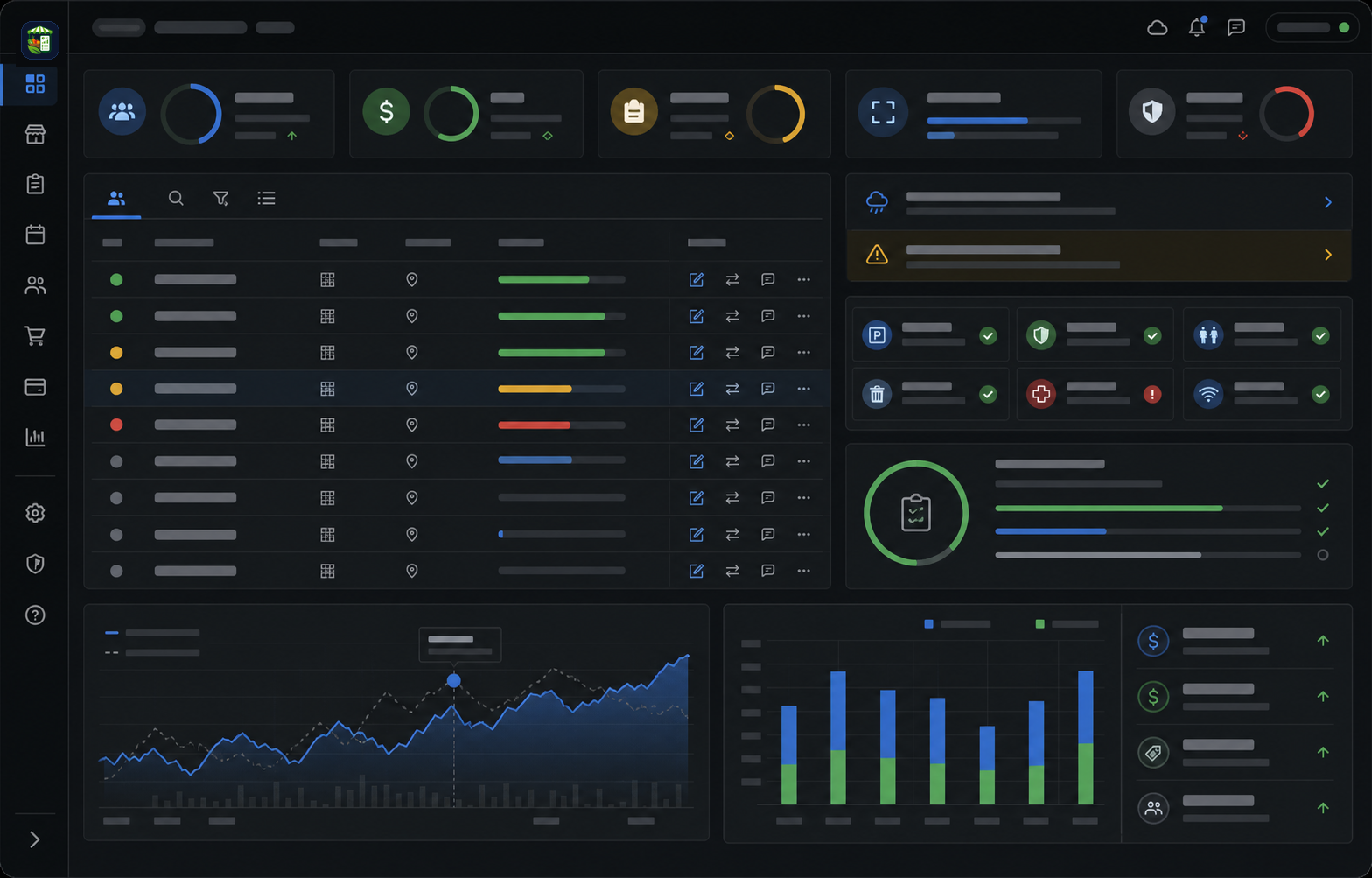
Applications, vendors, permits, sessions, payments, and reports stay tied to the same market workflow.
The team can see readiness, gaps, assignments, and closeout work without rebuilding the story in spreadsheets.
Operational context carries from intake to market day so managers can act before small problems become urgent.
Each part of the page maps to a real operating decision: what replaces the spreadsheet stack, how the team works through the week, what stays connected, and what managers should measure.
Weather planning works best when it is tied to the actual session. The Market Manager can connect market plans, session dates, forecast impact, weather monitoring signals, and response posture so the team can review risk in the same workspace used for vendors, maps, permits, and closeout.
A weather decision is an operational record, not just a message. Teams need to know what was decided, who reviewed it, whether the session remains open, and what follow-up actions should happen.
When weather affects a market, vendors and staff need clear communication. The Market Manager supports response actions, communication audience planning, draft support, and approval steps so the team can move quickly without losing review discipline.
Weather planning improves when the team can see history. Exposure views, weather history, forecast refresh workflows, and monitoring context help market operators understand what changed and why a decision was made.
Weather communication is one area where draft assistance can save time, as long as the team reviews the message. The Market Manager can support AI-assisted weather drafts and response language while preserving manager approval for public or vendor-facing communication.
Weather planning is strongest when it does not sit off to the side. In The Market Manager, weather context can inform market-day operations, vendor communication, session decisions, map and staffing plans, closeout notes, and future reports.
Keep moving through the buying path with focused pages for adjacent workflows inside The Market Manager.
Direct answers for buyers comparing spreadsheets, form tools, and market-specific operating software.
Yes. The platform supports weather-aware market planning, forecast impact context, monitoring signals, session weather decisions, response actions, communication approval, exposure history, and decision audit workflows.
No. It should be described as operational weather planning software. Forecast data and risk signals help the team plan, but managers still make the final decisions.
Yes. Session weather decisions, response actions, close or reopen states, and decision history can stay connected to the session record.
Yes. Weather workflows can support audience planning, draft communication, approval, and response tracking for vendors and teams.
Yes. AI-assisted drafts can support weather communication, with manager review before important messages are sent.
Weather context can inform sessions, staffing, vendor communication, notes, response actions, closeout, and future planning.
Read the supporting guides, checklists, and comparisons behind this workflow.