Byline metadata identifies the public author, publish date, and most recent update month.
Article guide
Article metadata and section shortcuts for this public resource guide.
This action leaves the article and opens the searchable public resources index.
Browse all resourcesIn this guide
Jump to a section in this resource without leaving the article.
The article body can include headings, links, lists, quotes, and images from the published resource content.
Case Study: Replacing Market Spreadsheets
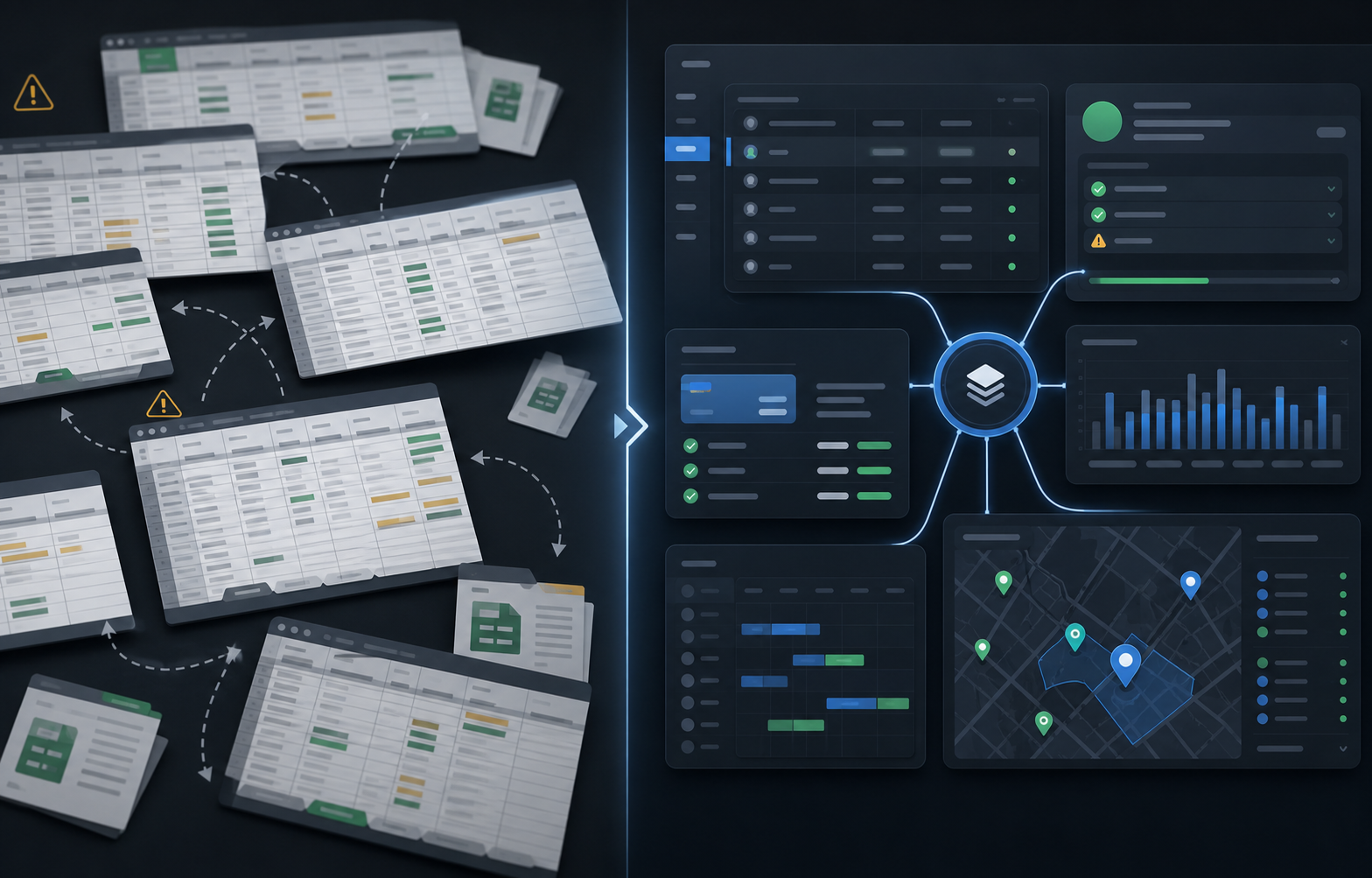
This guide is for market operators who want practical improvements, not vague software advice. Case Study: Replacing Market Spreadsheets should be evaluated against the real operating week: vendor intake, review, permits, assignments, payment posture, closeout, reporting, and follow-up.
If your team is comparing options, start with the connected workflow behind The Market Manager and use this article as a checklist for what the software should make easier.
Starting point
Starting point matters because recurring markets are not one-time events. Every decision affects vendor readiness, team communication, customer experience, financial closeout, and the next market week. When this part of the workflow lives in a separate spreadsheet or inbox, the team has to rebuild context instead of acting on it.
A stronger process connects this work to vendor records and session history. The operating team should be able to see what happened, what changed, who owns the next action, and what information will matter later. That is the difference between collecting data and managing a market.
Use this section of Case Study: Replacing Market Spreadsheets to check whether your current process is reliable under pressure. If a vendor calls on market morning, a reviewer needs an old document, or the finance team asks what happened last session, the answer should be available without searching multiple files.
- Confirm the workflow has a clear owner.
- Confirm the status is visible before market day.
- Confirm notes and decisions stay connected to the vendor or session.
- Confirm the workflow supports reporting after closeout.
- Confirm the page links back to the related product workflow at /market-manager-software.
Operating problems
Operating problems matters because recurring markets are not one-time events. Every decision affects vendor readiness, team communication, customer experience, financial closeout, and the next market week. When this part of the workflow lives in a separate spreadsheet or inbox, the team has to rebuild context instead of acting on it.
A stronger process connects this work to vendor records and session history. The operating team should be able to see what happened, what changed, who owns the next action, and what information will matter later. That is the difference between collecting data and managing a market.
Use this section of Case Study: Replacing Market Spreadsheets to check whether your current process is reliable under pressure. If a vendor calls on market morning, a reviewer needs an old document, or the finance team asks what happened last session, the answer should be available without searching multiple files.
- Confirm the workflow has a clear owner.
- Confirm the status is visible before market day.
- Confirm notes and decisions stay connected to the vendor or session.
- Confirm the workflow supports reporting after closeout.
- Confirm the page links back to the related product workflow at /market-manager-software.
Rollout path
Rollout path matters because recurring markets are not one-time events. Every decision affects vendor readiness, team communication, customer experience, financial closeout, and the next market week. When this part of the workflow lives in a separate spreadsheet or inbox, the team has to rebuild context instead of acting on it.
A stronger process connects this work to vendor records and session history. The operating team should be able to see what happened, what changed, who owns the next action, and what information will matter later. That is the difference between collecting data and managing a market.
Use this section of Case Study: Replacing Market Spreadsheets to check whether your current process is reliable under pressure. If a vendor calls on market morning, a reviewer needs an old document, or the finance team asks what happened last session, the answer should be available without searching multiple files.
- Confirm the workflow has a clear owner.
- Confirm the status is visible before market day.
- Confirm notes and decisions stay connected to the vendor or session.
- Confirm the workflow supports reporting after closeout.
- Confirm the page links back to the related product workflow at /market-manager-software.
Results to measure
Results to measure matters because recurring markets are not one-time events. Every decision affects vendor readiness, team communication, customer experience, financial closeout, and the next market week. When this part of the workflow lives in a separate spreadsheet or inbox, the team has to rebuild context instead of acting on it.
A stronger process connects this work to vendor records and session history. The operating team should be able to see what happened, what changed, who owns the next action, and what information will matter later. That is the difference between collecting data and managing a market.
Use this section of Case Study: Replacing Market Spreadsheets to check whether your current process is reliable under pressure. If a vendor calls on market morning, a reviewer needs an old document, or the finance team asks what happened last session, the answer should be available without searching multiple files.
- Confirm the workflow has a clear owner.
- Confirm the status is visible before market day.
- Confirm notes and decisions stay connected to the vendor or session.
- Confirm the workflow supports reporting after closeout.
- Confirm the page links back to the related product workflow at /market-manager-software.
Next workflows
Next workflows matters because recurring markets are not one-time events. Every decision affects vendor readiness, team communication, customer experience, financial closeout, and the next market week. When this part of the workflow lives in a separate spreadsheet or inbox, the team has to rebuild context instead of acting on it.
A stronger process connects this work to vendor records and session history. The operating team should be able to see what happened, what changed, who owns the next action, and what information will matter later. That is the difference between collecting data and managing a market.
Use this section of Case Study: Replacing Market Spreadsheets to check whether your current process is reliable under pressure. If a vendor calls on market morning, a reviewer needs an old document, or the finance team asks what happened last session, the answer should be available without searching multiple files.
- Confirm the workflow has a clear owner.
- Confirm the status is visible before market day.
- Confirm notes and decisions stay connected to the vendor or session.
- Confirm the workflow supports reporting after closeout.
- Confirm the page links back to the related product workflow at /market-manager-software.
What this means for other markets
What this means for other markets matters because recurring markets are not one-time events. Every decision affects vendor readiness, team communication, customer experience, financial closeout, and the next market week. When this part of the workflow lives in a separate spreadsheet or inbox, the team has to rebuild context instead of acting on it.
A stronger process connects this work to vendor records and session history. The operating team should be able to see what happened, what changed, who owns the next action, and what information will matter later. That is the difference between collecting data and managing a market.
Use this section of Case Study: Replacing Market Spreadsheets to check whether your current process is reliable under pressure. If a vendor calls on market morning, a reviewer needs an old document, or the finance team asks what happened last session, the answer should be available without searching multiple files.
- Confirm the workflow has a clear owner.
- Confirm the status is visible before market day.
- Confirm notes and decisions stay connected to the vendor or session.
- Confirm the workflow supports reporting after closeout.
- Confirm the page links back to the related product workflow at /market-manager-software.
Next step
The best way to use this guide is to compare it against one real market cycle. Pick one upcoming market, map the application flow, list the documents and permits that matter, identify the session closeout steps, and decide which parts still depend on manual reconciliation.
Then review the connected software workflow at The Market Manager. The goal is not to add another tool to the stack. The goal is to reduce duplicated work, make the operating picture easier to trust, and preserve enough history that the next market week starts with better context.
Explore the farmers market management software workflow
See how The Market Manager connects this resource topic to vendor applications, market-day operations, payments, permits, and reporting.
This action opens a related public workflow page selected from the article topic.