Byline metadata identifies the public author, publish date, and most recent update month.
Article guide
Article metadata and section shortcuts for this public resource guide.
This action leaves the article and opens the searchable public resources index.
Browse all resourcesIn this guide
Jump to a section in this resource without leaving the article.
The article body can include headings, links, lists, quotes, and images from the published resource content.
Farmers Market Vendor Application Template
This free farmers market vendor application template gives market managers a practical starting point for seasonal or recurring vendor intake. It is designed to collect the details that staff need to review a vendor, plan a market day, and communicate a clear next step without forcing vendors to guess what belongs in the application.
Every market has different rules, product standards, fees, and local requirements. Treat this as an operational template, not legal, food-safety, insurance, tax, or accessibility advice. Adapt it to your market agreement and have the appropriate local authority or professional review requirements that apply to your vendors.
Before you publish an application
Decide what happens after a vendor presses submit. Name the reviewer, define the decision stages, and state when applicants should expect an answer. A form is easier to complete when the opening dates, deadline, eligible product categories, attendance expectations, required documents, fees, and communication channel are all clear before the first question.
Keep the published application focused on information the team will actually use. If a question does not change eligibility, review, planning, communication, or a record the market must retain, consider leaving it out. Collecting less unnecessary information makes the form easier for vendors and safer for the market to manage.
Copyable vendor application template
Copy the sections below into your form builder, then replace bracketed text with your market's rules and dates.
Application introduction
[Market name] vendor application — [season or date range]
Thank you for your interest in selling at [market name]. This application helps us review products, vendor fit, market-day needs, and any materials required by our market policies. Submitting an application does not guarantee acceptance or a specific booth location.
- Application opens: [date]
- Preferred application deadline: [date]
- Expected review window: [number of business days or date]
- Market dates and hours: [link or short description]
- Questions before applying: [email address or contact method]
1. Vendor and business contact
- Business or farm name
- Primary contact name and role
- Email address
- Mobile or market-day phone number
- Business mailing address
- Website and public social profile links, if relevant
- Returning vendor? [Yes/No]
- Preferred contact method for application questions
2. Products and vendor category
- Vendor category: [grower, food producer, prepared food, artisan, nonprofit, service, or your market's categories]
- Short description of the products or services you want to offer
- Full product list or product categories
- Where products are grown, produced, made, or sourced, if this affects market eligibility
- Product photos, menu, or website link, if your review process uses them
- Any requested information about ingredients, production methods, or certifications that is relevant to your written market policy
3. Attendance and space needs
- Dates or market series requested
- Expected attendance pattern: [every date, selected dates, occasional]
- Requested booth size or space type
- Power, water, vehicle access, accessibility, or equipment needs that affect placement
- Setup footprint, tent, trailer, or vehicle dimensions when your layout requires them
- Booth preference or adjacency request, with a note that requests are not guaranteed
4. Market-specific requirements
Only request items that apply to the vendor's category and your market's policy. Depending on the market, that may include:
- Applicable licenses, permits, certificates, or insurance information
- Required market agreement or policy acknowledgement
- Tax, food-handling, health, weights-and-measures, or other local documentation where required by the responsible authority
- Any category-specific form or additional review material
State what staff will review, what makes an item complete, and whether vendors should upload a copy now or only after conditional approval. Do not promise that every document is required for every vendor; the applicable rules depend on the market, vendor type, and location.
5. Agreements and declarations
- I confirm that the information in this application is accurate to the best of my knowledge.
- I understand that acceptance, dates, booth placement, and fees are subject to [market name]'s written policies and capacity.
- I agree to respond promptly if the market requests a correction or missing item.
- I have read [link to market rules, vendor handbook, or agreement].
- Name and date of the person submitting the application.
Use plain language for these acknowledgements. If your market needs an enforceable agreement, use the wording approved for your organization rather than copying a generic statement from another market.
Collect requirements without over-collecting
Build conditional questions whenever a requirement only applies to a certain vendor category. For example, a prepared-food vendor may need different evidence from a farm or a community nonprofit. Showing every document question to every applicant makes the form feel arbitrary and makes review harder.
Keep private staff notes separate from what an applicant can see. The vendor should be able to understand the next required action, but internal comments, reviewer assignments, and comparison notes should remain in the market's private review workflow. This distinction becomes especially important when several staff members help review applications.
Make the review decision clear
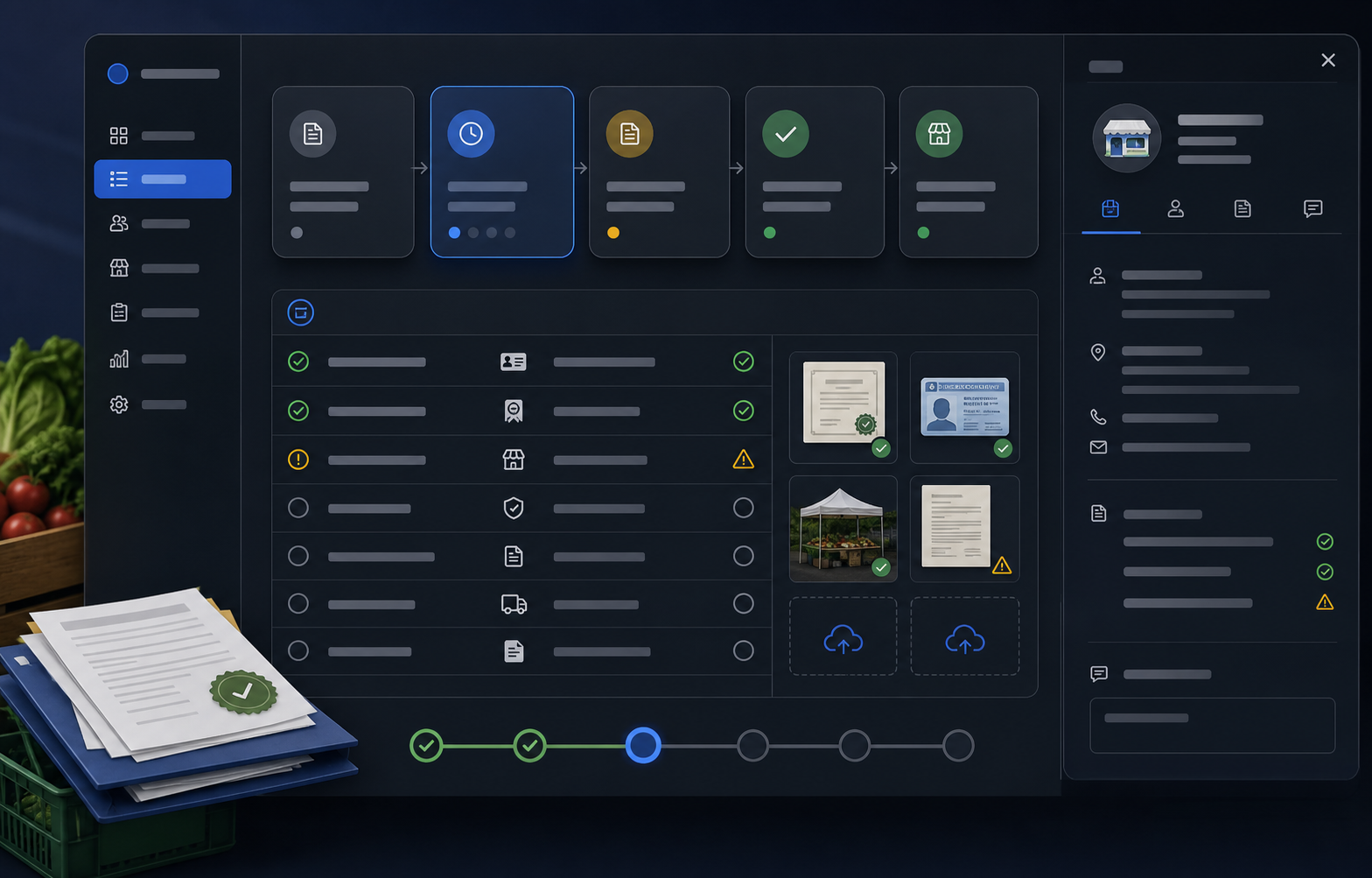
Use a small set of statuses that staff and vendors can understand consistently:
- Received: the market has the application but has not finished review.
- Needs information: a specific question, document, or correction is still required.
- Under review: the application is complete enough for the market to evaluate.
- Approved or conditionally approved: the vendor can move to the stated next step, subject to any listed conditions.
- Waitlisted or declined: the market communicates the outcome using its published process.
Avoid leaving applicants with only silence or a vague promise to "be in touch." A clear status and a named next action reduce duplicate emails and give reviewers an orderly queue to manage.
Turn approval into an operating record
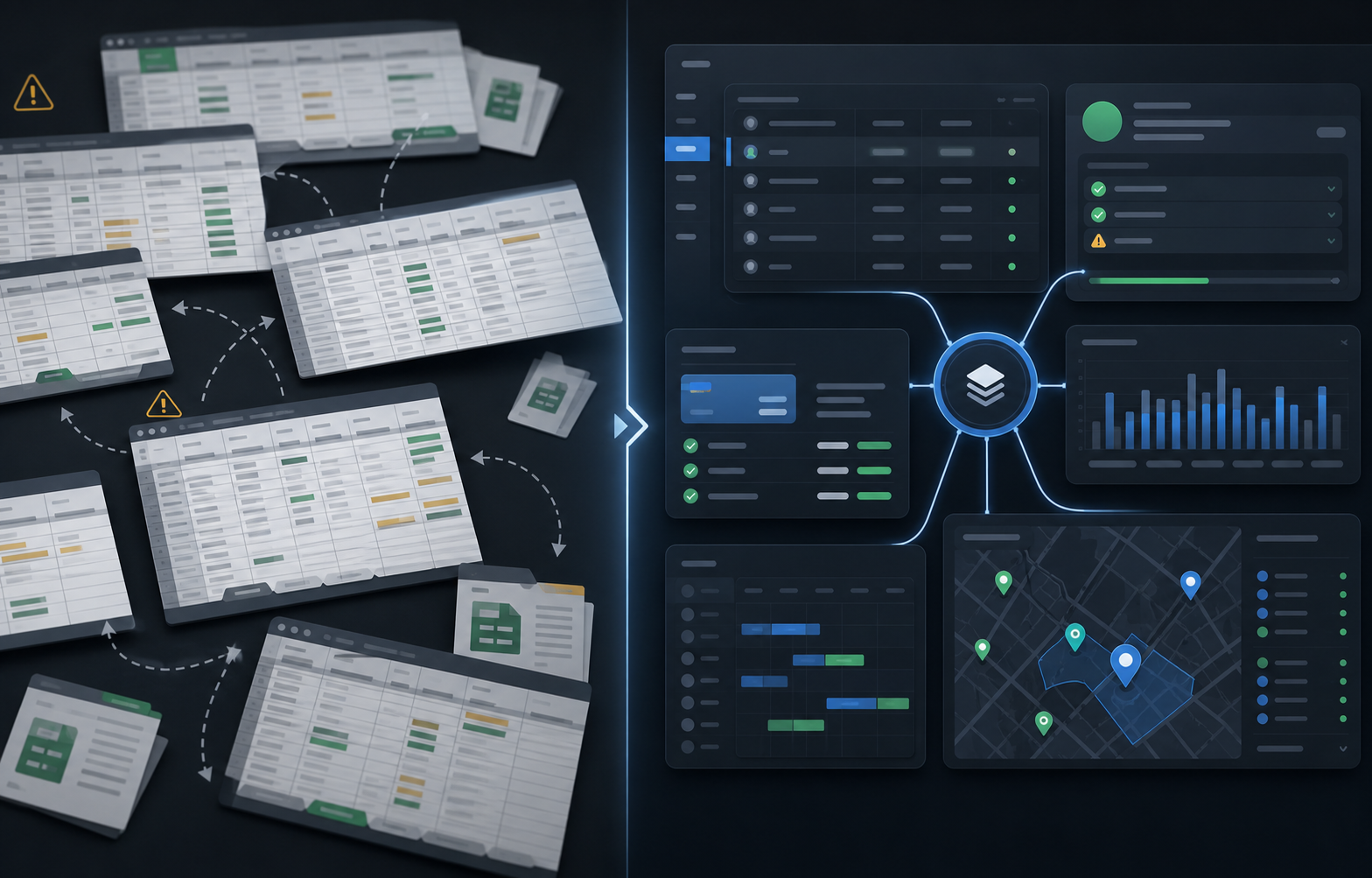
Approval should not create a second round of data entry. Once accepted, the vendor's core contact details, product category, requirements, requested dates, communications, and placement context should be available to the team planning the next market. If staff must retype the same information into a roster, map, payment tracker, or inbox after every approval, the application is not doing enough of the operational work.
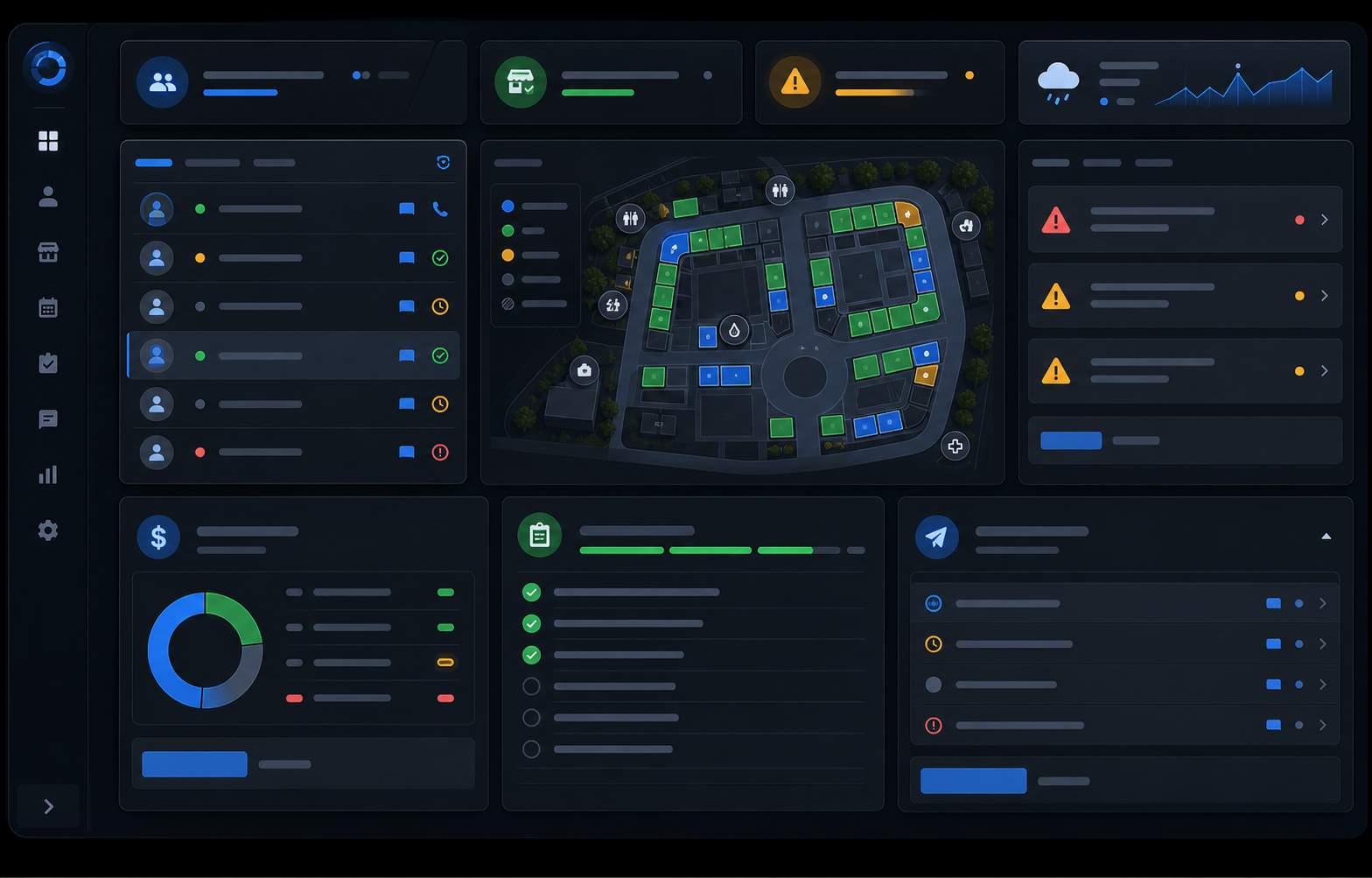
The Market Manager's vendor application software connects public applications to review, vendor records, requirements, communications, market planning, and reporting. Use the template above as a checklist for evaluating whether your current intake process preserves that handoff.
Adapt the template to your market
Before publishing, run a test submission with a realistic new vendor and a returning vendor. Check that the questions appear in the right order, conditional requirements work, staff can request a correction, and an approval creates the information needed for the first market day. Then ask a colleague to review the wording against your current market rules.
The best vendor application is not the longest form. It is the one that gives vendors a fair, understandable process and gives market staff enough connected information to make the next decision confidently.
Explore the farmers market management software workflow
See how The Market Manager connects this resource topic to vendor applications, market-day operations, payments, permits, and reporting.
This action opens a related public workflow page selected from the article topic.